
REHAB SMARTER. MOVE BETTER.
Injury Clinical-Diagnosis, Rehabilitation, and Prevention.
Book an Appointment in Ottawa
This appointment is your opportunity to discover whether our clinic in Ottawa and our treatments are a good fit for you! During this session, you will talk with a caring therapist and create the right care plan specifically for your pain.
Book an appointment to help your pain now by clicking the button below.
Services & Treatments in Ottawa
Get access to the treatments and programs in Ottawa and get back to living your best life today…
Why Choose Us?
Experience Scientific-Literature Guided Injury Treatments By Our Physiotherapists in Ottawa

If an injury or limitation is slowing you down, or if you’re experiencing stiff joints, or tendon/ligament irritation, contact our physiotherapists for a thorough analysis of your biomechanics/anatomical presentation. From sports Injuries, to functional day-to-day limitations, your Physiotherapist will identify the structure(s) involved, and tailor a personalized physiotherapy treatment protocol for efficient recovery, return to function, and prevent re-injury or reoccurrence:
- Back Pain: Understand the Precise Structure Involved Through the Evaluation of Disc Involvement, Facet Joint Irritation, Or Muscular Root-Cause to the Symptoms.
- Structural Injuries: Ligament Sprains, Nerve Compression, Joint-Cartilage Irritation, Muscle Tears, and Tendon Strains Treatment.
- Shoulder’s Rotator Cuff Muscles (Infraspinatus, Supraspinatus, Teres Minor, and Subscapularis) Tendinopathy Rehab.
- Post Surgical: ACL Reconstruction, Meniscus Repair, Spine Vertebrae Fusion, Total or Partial Hip and knee Replacements.
- Carpal Tunnel Compression: Optimal Assessment and Rehabilitation of the 10 Structures Within the Tunnel of the Wrist Joint to Drive Efficient Recovery and Mobility.
- Sciatica: Analysis of Compression Along the Path of The Sciatic Nerve.
Meet The Team
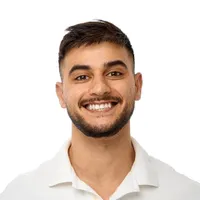
Dhiya Hassan
Registered Physiotherapist
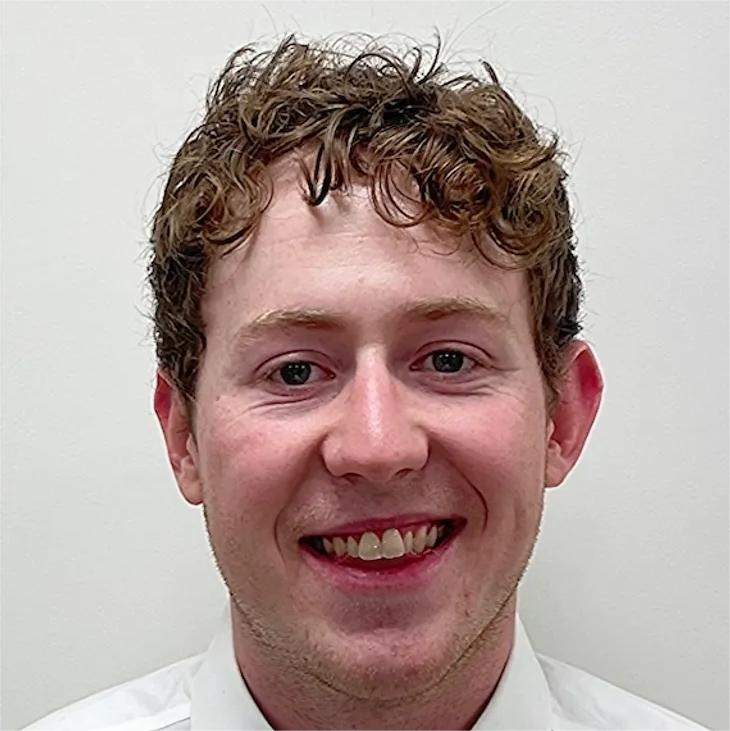
Maxwell MacDougall
Physiotherapy Resident
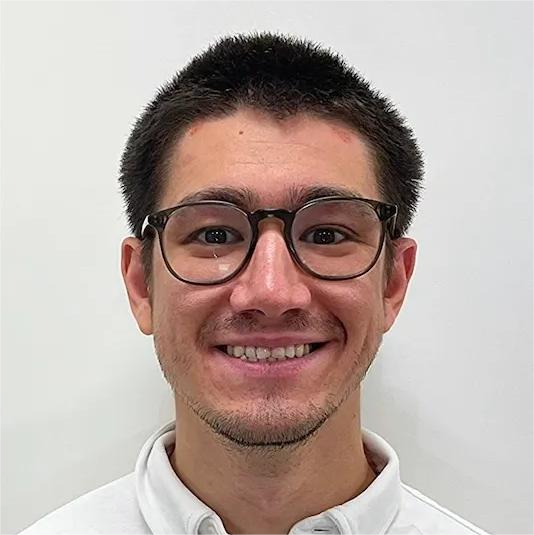
Brandon Lee
Physiotherapy Resident
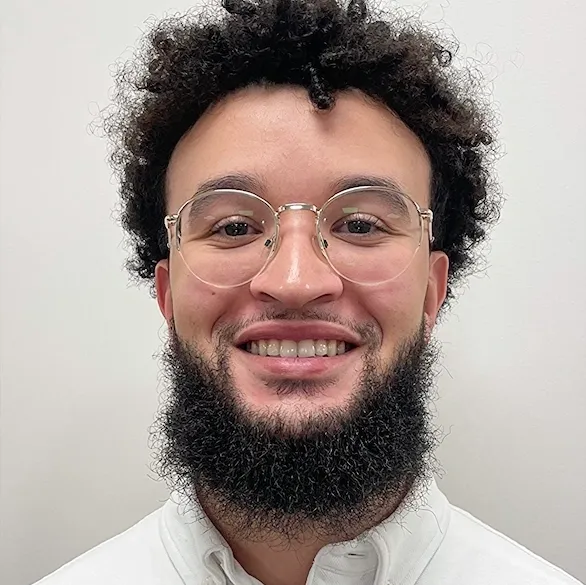
Anes Dadouche
Physiotherapy Resident
Common Injuries Successfully Treated At Our Clinic
- Ankle - Strain/Sprain, Shin Splints
- Arthritis - Osteo Joint Pain
- Back Pain - Low, Mid, Upper
- Bursitis
- Car Accident Injuries - Whiplash
- Concussions
- Elbow - Tennis, Golfer's, OA
- Fibromyalgia
- Foot - Plantar Fasciitis, Achilles
- Hip - Fracture, OA, Post Surgery
- Knee - ACL, MCL, Meniscal, IT Band
- Neck - Strain, Whiplash, Surgery
- Neurological Disorders
- Obesity
- Osteoporosis
- Overuse Injuries - Carpal Tunnel
- Plantar Fasciitis
- Post Operative Rehab
- Sciatica - Piriformis Syndrome
- Scoliosis
- Shoulder - Frozen, Rotator Cuff
- Sports Related Injuries
- Strains & Sprains
- Work Related Injuries
Everyday, We Help People Just Like You Stop The Pain and Feel Their Best Again
Experience Scientific-Literature Based Personalized Physiotherapy Treatments. Incorporating Science-Backed Biomechanical Analysis So You Can Come Back Stronger.
Frequently Asked Questions
To minimize load and strain on musculoskeletal structures, it is essential to optimize spinal alignment and maintain balanced muscle activation. From a scientific perspective, this involves preventing vertebral stacking imbalances and ensuring proper distribution of forces across the spine. Following an injury, rehabilitation requires targeted activation of specific muscle groups to stabilize the affected region. Key contributors include the core, rhomboids, and gluteal muscles. Applying the agonist–antagonist principle to spinal mechanics further restores equilibrium and functional balance. Complementary strategies involve stretching chronically tight muscles—such as the pectorals, hip flexors, and hamstrings—to counteract gravitational forces and occupational stressors. Research demonstrates that poor posture elevates intervertebral pressure and accelerates muscle fatigue, thereby impeding recovery. Evidence-based interventions—such as ergonomic adjustments, proprioceptive training, and structured rehabilitation protocols (e.g., planks, scapular retraction)—enhance neuromuscular control and reinforce spinal stability. Accurate diagnosis of the injury remains critical to tailoring these interventions effectively. Consistency and awareness are paramount, as postural habits are reinforced through neuroplasticity. To mitigate sedentary strain, individuals should avoid sitting for longer than 40 consecutive minutes and incorporate frequent standing intervals to disrupt prolonged static positions.
The body undergoes lots of changes, on micro level – cellular and molecular pathways and on the macro level – muscle and bone development. Sports physiotherapy aids in the development of the most efficient sports injury rehab atmosphere, healing, or pre and post surgical optimal body recovery and function across musculoskeletal, neurological, and cardiopulmonary conditions. Scientifically, it leverages exercise-induced neuroplasticity, mechanotransduction (converting mechanical stimuli into cellular responses), and inflammation modulation to improve tissue healing, strength, and mobility. Clinical trials show it improves function, prevents secondary complications (e.g., muscle atrophy), and lowers healthcare costs by minimizing surgical reliance. Manual therapy is guided by the correct diagnosis, the benefits are dose-dependent and condition-specific. Primarily it is there for guidance to the body’s fluidity in motion and efficient return to normal function pre-injury.
The Benefits of Manual Therapy (MT), especially in orthopaedic sports physiotherapy; including, joint mobilization, manipulation, and soft tissue techniques thereby improves function via biomechanical and reduces pain via neurophysiological mechanisms. Studies show MT reduces nociceptive signaling during injury rehab by stimulating mechanoreceptors, increases joint range of motion (ROM) by breaking adhesions, and enhances local blood flow. Nonetheless, we can’t neglect that a joint loves full range of motion, and early return following a sports injury prior to attaining full range of motion is a risk. A joint is an articulation of two bony surfaces on one another. The glide and roll based on the ball in socket formation will allow a fined range of motion that addresses the unique anatomical system (the joints) It also triggers descending pain inhibition via the periaqueductal gray matter in the brain. Evidence supports its efficacy for conditions like low back pain, neck stiffness, and post surgical injuries, though benefits are often maximized when paired with exercise! Therefore, it’s absolutely important why physiotherapy exercises go hand in hand with manual physiotherapy and mobilization to improve the range of motion of any given joint post injury.
Rotator cuff is a group of 4 muscles grabbing the humerus and pulling it into the socket (the glenoid cavity). Rotator cuff injuries (e.g., tendinopathy, tears) demand we rehab the impairment of the anatomical structure affected following a sports injury for example (bone? Ligament ? Tendon? Muscle ? Nerve?). In addition to joint restriction at the shoulder or stability and motion limiting function, physiotherapy aims to restore strength and range of motion (ROM) using injury rehab specific shoulder exercises based on the diagnosis of the injury of the rotator cuff muscles (namely, the supraspinatus, infraspinatus, teres minor, and subscapularis). Eccentric loading and scapular stabilization reduce tendon strain, while manual therapy addresses joint stiffness. Studies confirm that structured sports physiotherapy rehab improves mobility, stability, creating the most efficient environment of the body to continue healing itself.
The carpal tunnel is just a tunnel, nothing else! The tunnel is created by the carpal bones on one side and on the other side you have a ligament known as the flexor retinaculum (Retinaculum just means a brace, for things it holds!) So that’s the ligament and bones contributing to the parameters of the tunnel; what do we know about tunnels ? That’s right, you got it! Things go through tunnels. Bring in the median nerve and 9 other structures ( 4 flexor digitorum profundus tendons, 4 flexor digitorum superficialis tendons, and 1 flexor Hallucis longus tendon (hallucis just means thumb in Latin), and since flexors flex, it means bends the thumb, and finally, because the tendon goes to the the very tip of the thumb, crossing 3 joints, the Metacarpal phalangeal joint (MCP), and the interphalangeal joint (IP), it works with the other ones that bend or flex the fingers. So what does sports physiotherapy do here ? Since the carpal tunnel syndrome involves median nerve compression at the wrist, causing pain and numbness. The injury rehab would entail that physiotherapy focuses on reducing nerve compression, pressure, and inflammation through nerve gliding exercises, precise wrist exercises, soft tissue mobilization, and joint manipulation and mobilization of the ligament extensibility (our friend flexor retinaculum), Sports injury research demonstrates that these techniques improve nerve mobility, decrease intraneural edema, and enhance grip strength. Exercise focused, along with stretching of the flexor retinaculum may also reduce symptoms. Conservative management is effective for mild-to-moderate CTS, delaying or avoiding surgical intervention. Wise to have a licences orthopaedic physiotherapy assessment and diagnosis to make sure rehab focused mobilizations and exercises are addressing the correct structure within the carpal tunnel that is impacted.
Open
Open hours today: 7:00 am - 8:00 pm
-
Monday
7:00 am - 8:00 pm
-
Tuesday
7:00 am - 8:00 pm
-
Wednesday
7:00 am - 8:00 pm
-
Thursday
7:00 am - 8:00 pm
-
Friday
7:00 am - 8:00 pm
-
Saturday
9:30 am - 2:00 pm
-
Sunday
9:30 am - 2:00 pm
April 1, 2026 7:38 am local time