Pain Conditions
Does Drinking Water Help Sciatica?
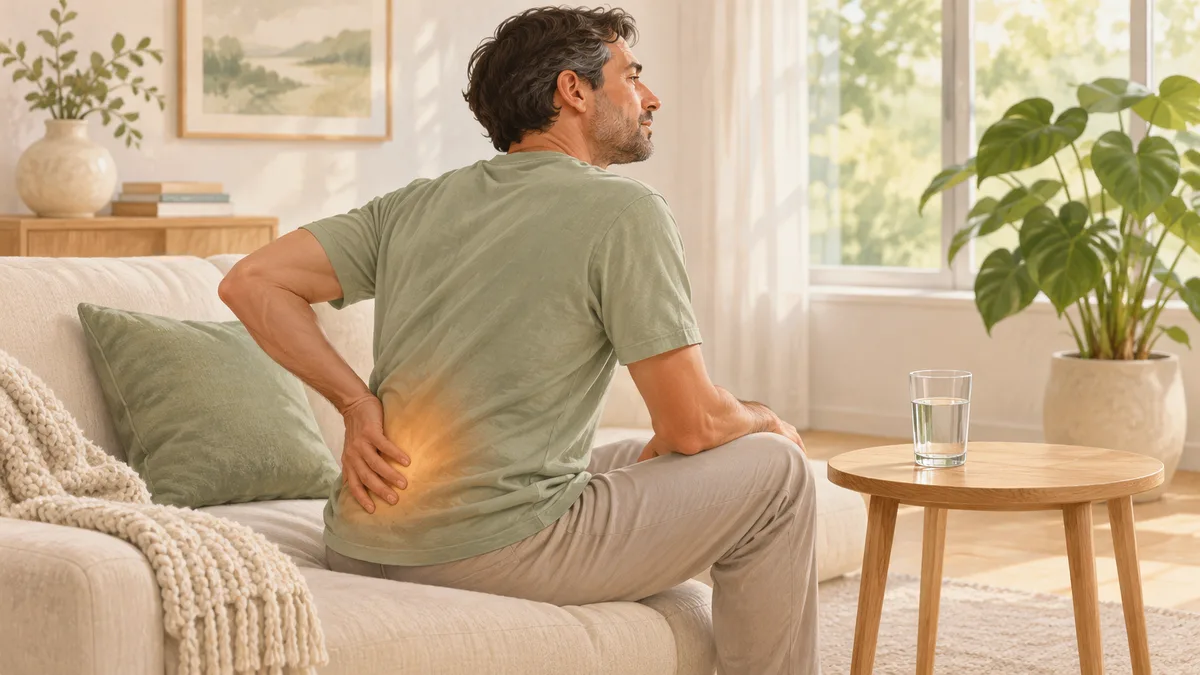
The short answer: Drinking water keeps you hydrated, but there's no good evidence that it treats sciatica directly. Sciatica comes from an irritated or compressed nerve, and a glass of water won't take that pressure off. Staying active, heat and the right hands-on or exercise-based care tend to help more. Hydration still supports how you feel day to day.
PainHero is a directory that helps people find physical therapists, chiropractors, massage therapists and mental health care near them.
When pain shoots from your buttock down the back of your leg, you want something simple that works. Water is easy, cheap and all over social media as a back pain fix, so it's fair to ask whether it can help. Here's what the research actually shows, and what tends to make a bigger difference.
Does drinking water help sciatica?
Not directly, as far as current evidence goes. Sciatica happens when the sciatic nerve, which runs from your lower back to your feet, gets irritated or compressed. The most common cause is a slipped (herniated) disc, according to the NHS.
The NHS self-care advice for sciatica is to keep up your normal activities, start gentle exercise as soon as you can, use heat packs, and avoid sitting or lying down for long periods. Drinking more water isn't on the list.
That doesn't make water useless. If staying hydrated helps you feel better overall, that's a good thing. It just probably isn't the reason your leg pain, tingling or numbness eases.
Why do people link water to spinal discs?
The idea comes from the discs between the bones of your spine. Each disc has a tough outer ring and a soft, gel-like center, and both hold a lot of water. One small MRI study in Spine notes the center of a young adult's disc is about 80% water.
So it sounds logical: drink more, refill the disc, ease the pressure on the nerve. But your discs don't work like a dry sponge that soaks up a glass of water. Disc fluid shifts mostly with load and position. Discs lose a little fluid when you're upright and regain it when you lie down.
Sciatica also isn't only about pressure. Inflammation, nerve sensitivity and how you move all play a part, which is why the fix is rarely one thing.
What does the research say about water and back pain?
Here's what the studies the claim usually leans on actually found:
- Lying down and disc size (2017): In 101 healthy adults, spinal discs grew slightly after about 27 minutes lying in an MRI scanner. That shows discs respond to position, not to drinking water.
- Drinking water and back tissue stiffness (2026): 50 healthy adults drank 2 liters of water. Their urine showed they were better hydrated, but stiffness of the thoracolumbar fascia (the connective tissue over the lower back) didn't measurably change in the hours after.
- Dehydration and pain (2014): In a small study of 5 healthy men, dehydration increased the brain's response to a painful cold test compared with rehydration.
- Water intake and chronic low back pain (2024): In a case-control study of 106 people, those with chronic low back pain drank less water than people without it. The study can't show that low water intake caused the pain, and it didn't look at sciatica.
- Sciatica guidelines: The NHS recommends staying active, gentle exercise, heat and physiotherapy. It doesn't list water as a treatment.
None of these studies tested water as a treatment for people with sciatica. Most were small, and most involved people without back pain.
Can being dehydrated make sciatica feel worse?
Possibly. The 2014 study above suggests that being dehydrated can turn up how strongly your brain responds to pain. If you're already sore, being run-down and thirsty won't help.
The practical goal is simply not to be dehydrated, rather than drinking extra water as treatment. The NHS suggests most people drink enough through the day that their pee is a clear, pale yellow. You may need more if it's hot, you're active for long periods, or you're unwell.
What helps sciatica more than extra water?
Moving gently usually beats resting. The NHS notes that even if moving hurts, it isn't harmful and can help you get better faster. Things many people find useful:
- Short, easy walks spread through the day
- Changing position often instead of sitting for long stretches
- Heat packs on your lower back or buttock
- Gentle exercises and stretches for sciatica
- Getting back to your normal routine as much as you can
If a stretch sends pain further down your leg, stop and check with a provider before pushing through it.
A physical therapist (physiotherapist in Canada) can work out which movements calm your symptoms and build a plan around them. The NHS lists physiotherapy, including exercise advice and manual therapy, among the main treatments for sciatica. Some people also see a chiropractor or massage therapist for back and buttock stiffness. Ask any provider what they'd focus on for you and how you'll both know it's working.
How do you find sciatica care near you?
You don't need to know which kind of provider to book first. Here's a simple way to start:
- Search by what you're feeling. Start with sciatica, or with back pain if you're not sure it's the nerve.
- Narrow it to where you live. Find a clinic near you by city.
- Compare clinic profiles. Look at the services offered, who's on the team, and whether they mention sciatica, disc problems or leg pain.
- Ask a few questions before you book. Do they often treat sciatica? What happens at the first visit? Will they give you exercises to do at home?
- Check the practical details. Coverage depends on your plan and where you live, so ask your insurer what's included. You can also check a provider's license with your provincial or state regulator.
When should you get medical help right away?
PainHero isn't emergency care. Call 911 or go to the nearest emergency department if you have sciatica and:
- New trouble peeing, or you can't control your bladder or bowels
- Numbness around your genitals or bottom
- Weakness or numbness in both legs that's severe or getting worse
- Sciatica in both legs at once
These signs come from the NHS and can point to a serious nerve problem that needs hospital care. According to Mayo Clinic, see a doctor promptly if your pain started after a fall or blow to the back, comes with a fever, or comes with unexplained weight loss. Also book an appointment if your pain hasn't improved after a few weeks of self-care, is getting worse, or stops you from doing your normal activities.
Frequently asked questions
Can dehydration cause sciatica?
There's no good evidence that dehydration causes sciatica. The most common cause is a slipped disc pressing on or irritating a nerve root. Being dehydrated might make pain feel more intense, so it's still worth staying hydrated.
How much water should I drink if I have sciatica?
There's no special amount for sciatica. Aim to drink enough through the day that your pee is a clear, pale yellow, and drink more when it's hot, you're active or you're unwell. Extra water beyond that hasn't been shown to ease sciatica.
Does water rehydrate spinal discs?
Discs gain and lose fluid mainly with load and position, like lying down overnight. A 2026 study found that drinking 2 liters of water improved hydration markers but didn't change lower back tissue stiffness in the short term. No study has shown that drinking water rehydrates a disc enough to relieve nerve pain.
How long does sciatica usually last?
The NHS says sciatica usually gets better in a few weeks to a few months, but it can last longer and can come back. If it isn't improving after a few weeks of self-care, see a provider.
Should I rest in bed with sciatica?
Usually not for long. The NHS advises against sitting or lying down for long periods and suggests gentle movement as soon as you can. Short walks and changing position often tend to help more than staying in bed.
Sciatica is easier to handle when you're not guessing. Search by condition, treatment or city to compare clinics near you and find care that fits what you're feeling.
Run a clinic that treats sciatica? List your clinic on PainHero.
Sources
- Sciatica – NHS
- Water, drinks and hydration – NHS
- When to see a doctor for back pain – Mayo Clinic
- An in vivo MRI study of changes in the volume and fluid content of the lumbar intervertebral discs – Spine (1999)
- Intervertebral disc expansion with lying in healthy adults – The Spine Journal (2017)
- Acute Oral Hydration and Thoracolumbar Fascia Stiffness in Healthy Adults – Journal of Clinical Medicine (2026)
- Dehydration enhances pain-evoked activation in the human brain compared with rehydration – Anesthesia & Analgesia (2014)
- Proinflammatory Dietary Intake Relates to Pain Sensitivity in Chronic Nonspecific Low Back Pain – The Journal of Pain (2024)